The 2025/26 UEFA Champions League campaign introduces another chapter in the evolving format of Europe’s most prestigious club competition. With the Swiss-style league phase now fully integrated, the structure of draws and scheduling has become more complex and, at the same time, more strategically important for clubs, analysts, and fans. Understanding when draws take place, how the calendar unfolds, and which milestones define the season can significantly improve how closely you follow the competition and anticipate turning points.
League Phase Draw and Early Season Timeline
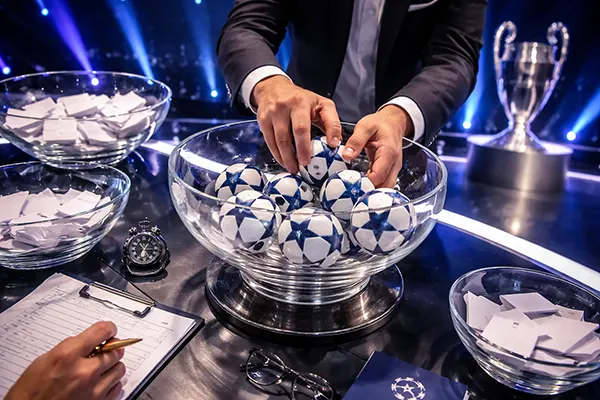
The league phase draw traditionally takes place at the end of August, shortly after the completion of the qualifying rounds. For the 2025/26 season, UEFA is expected to follow a similar timeline, with clubs being placed into a single league table rather than traditional groups. Each team faces eight different opponents, which adds variety and reduces predictability compared to previous formats.
What makes this draw particularly important is the seeding system. Clubs are divided into pots based on UEFA coefficients, but the actual matchups are generated in a way that ensures a balanced schedule across strength levels. This means that even top-tier teams will face a mix of strong and mid-ranked opponents, making early fixtures more competitive than in past seasons.
The league phase matches typically begin in September and run through January. Unlike the old group stage, the extended calendar introduces winter fixtures, which can affect squad rotation, injury management, and domestic league priorities. Tracking these early dates helps identify teams that adapt well to the new rhythm.
Why the League Phase Schedule Shapes the Entire Season
The distribution of fixtures across several months forces clubs to think differently about momentum. A strong start no longer guarantees qualification, as consistency over eight matches becomes the decisive factor. Teams that manage squad depth effectively often gain an advantage in the later rounds of the league phase.
Another key factor is travel and logistics. With opponents coming from different pots, clubs may face long-distance trips interspersed with domestic commitments. This creates physical and tactical challenges that can influence performance, particularly for teams competing on multiple fronts.
Finally, the ranking system in the league table determines not only qualification but also the pathway to the knockout stage. Finishing in the top eight grants direct access to the Round of 16, while teams placed 9th to 24th must go through an additional play-off round. This makes every point in the league phase strategically valuable.
Knockout Stage Draws and Critical Deadlines
Once the league phase concludes in January, attention shifts to the knockout stage. The play-off round draw, involving teams ranked 9th to 24th, usually takes place shortly after the final league matches. This stage acts as a gateway to the Round of 16 and introduces immediate high-stakes encounters.
The Round of 16 draw is typically held in February and marks the beginning of the traditional knockout structure. At this point, the competition becomes more familiar, with two-legged ties determining progression. However, the pathway to this stage—shaped by league phase rankings—adds a layer of strategic complexity.
Quarter-final, semi-final, and final brackets are often determined in a single draw, giving a clear picture of potential matchups all the way to the final. This allows analysts and supporters to map out possible scenarios and assess which teams have more favourable routes.
How Draw Mechanics Influence Competitive Balance
The introduction of the play-off round means that some strong teams may face additional matches before reaching the Round of 16. This can lead to fatigue but also provides an opportunity to build momentum. Clubs finishing outside the top eight must balance risk and intensity during this phase.
Seeding rules and country protection principles still play a role, especially in early knockout rounds. Teams from the same association are typically kept apart in the Round of 16, which can affect the diversity of matchups and the overall narrative of the tournament.
Another important aspect is timing between legs. Short intervals between matches can influence tactical approaches, particularly when teams are also competing domestically. Coaches often prioritise away goals management, defensive organisation, and squad rotation depending on the schedule density.
Final Stages and Key Dates to Monitor
The quarter-finals usually take place in April, followed by semi-finals in late April and early May. These rounds are often where the strongest squads emerge, as the intensity and quality of opposition increase significantly. By this stage, injuries, suspensions, and fatigue become decisive factors.
The Champions League final is traditionally scheduled for late May or early June, hosted at a pre-selected European venue. For the 2025/26 season, UEFA is expected to maintain this timing, ensuring alignment with domestic league conclusions and international tournament preparations.
In addition to match dates, registration deadlines and squad list updates are also crucial. Clubs can make limited changes to their squads before the knockout stages, and these decisions often reflect strategic priorities, such as strengthening specific positions or replacing injured players.
Why Timing Matters in the Final Stretch
The spacing between quarter-finals and semi-finals allows teams to recover, but it also creates pressure in domestic competitions. Clubs competing for league titles or cup trophies must carefully manage player workload during this period.
Weather conditions and travel logistics can also influence late-stage matches. Teams playing away in different climates or stadium environments may need to adjust tactics, particularly when facing unfamiliar opponents.
Ultimately, understanding the calendar of the final stages helps explain why certain teams peak at the right moment. Success in the Champions League often depends not only on quality but also on timing, preparation, and the ability to handle high-pressure situations across a tightly structured schedule.