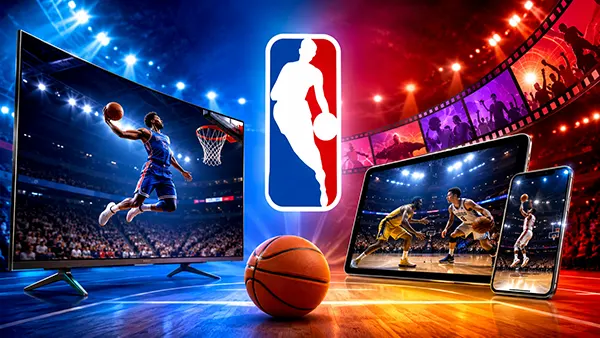
The NBA entered a new commercial phase in 2025 after finalising one of the largest media rights agreements in sports history. The league signed fresh broadcasting deals with ESPN, NBCUniversal and Amazon worth approximately $76 billion over 11 years, replacing the previous arrangement that had defined basketball broadcasting for more than a decade. These agreements are not only changing where supporters watch games, but also influencing how the NBA reaches younger audiences, distributes highlights, develops international visibility and competes with other global sports. By 2026, the impact of these contracts is already visible in streaming numbers, social media engagement, overseas broadcasting growth and franchise valuations.
The Financial Scale of the NBA’s New Media Agreements
The NBA’s latest broadcasting contracts dramatically increased the annual value of league media rights. Under the previous agreement, the NBA earned around $2.6 billion per year from national broadcasters. The new package pushes that figure close to $7 billion annually. ESPN and ABC retained major rights including the NBA Finals, while NBC returned to NBA coverage after more than twenty years away from the league. Amazon secured exclusive streaming rights for selected regular-season games, playoff matches and international broadcasts.
The scale of the agreement reflects the continuing commercial strength of live sport. Television ratings for traditional entertainment have declined across many markets, but live sporting events still attract audiences willing to watch broadcasts in real time. Advertisers value this reliability, especially during playoff games and marquee fixtures featuring globally recognised athletes such as Nikola Jokić, Luka Dončić, Giannis Antetokounmpo and Victor Wembanyama. The NBA therefore remains one of the most valuable sports properties for media companies seeking consistent viewer engagement.
These contracts also influence team finances. Revenue from national broadcasting is shared across franchises, meaning smaller-market clubs benefit alongside globally recognised organisations like the Los Angeles Lakers or Golden State Warriors. Increased television income has already contributed to projections of future salary cap growth. Analysts expect higher player salaries, increased luxury tax thresholds and greater financial flexibility for clubs beginning from the 2026–27 season.
Why Streaming Companies Are Investing Heavily in Basketball
Streaming services have become central players in sports broadcasting because they compete for long-term subscriber retention. Live basketball offers recurring weekly content over an extended season, which keeps viewers engaged for months rather than days. Amazon’s decision to secure NBA rights reflects a broader strategy already seen in the NFL, UEFA Champions League and Premier League broadcasting markets.
The NBA is especially attractive to streaming companies because its audience skews younger than many other major sports leagues. Viewers aged between 18 and 34 increasingly consume games through mobile devices, connected televisions and short-form digital content rather than cable subscriptions. Media companies see basketball as one of the strongest tools for maintaining relevance among younger demographics whose viewing habits continue to shift away from traditional television.
Another important factor is global accessibility. Streaming services can distribute NBA content internationally without relying entirely on regional television partners. This allows companies to expand into Europe, Asia and Latin America more efficiently. In 2026, international League Pass subscriptions and regional streaming agreements continue to grow, particularly in France, Germany, India and the Philippines, where NBA popularity remains strong.
How Digital Media Is Changing NBA Audience Behaviour
The NBA has adapted more aggressively to digital culture than many competing sports organisations. Short clips, instant highlights and player-driven content dominate social media discussions around the league. New media agreements encourage this direction because broadcasters increasingly depend on digital engagement rather than relying only on conventional television ratings.
By 2026, many younger supporters no longer watch complete regular-season games. Instead, they follow live statistics, condensed match recaps, social clips and influencer commentary through TikTok, YouTube, Instagram and X. The NBA benefits from this fragmented viewing culture because basketball naturally produces frequent highlight moments. Slam dunks, long-range shooting and dramatic finishes are easily shared across digital channels within seconds.
Players themselves have become media brands. Athletes regularly communicate directly with audiences through podcasts, streaming channels and personal social accounts. This strengthens individual popularity and indirectly expands the league’s reach. Broadcasters increasingly integrate player-created content into official coverage because audiences now expect behind-the-scenes access rather than purely traditional commentary.
The Role of International Markets in the NBA’s Expansion
International audiences are becoming more important for the NBA’s commercial future. In recent years, the league has expanded regular-season games outside the United States and increased marketing activity in Europe and Asia. The 2025 media agreements specifically included stronger international distribution strategies, recognising that overseas audiences now represent a major source of long-term growth.
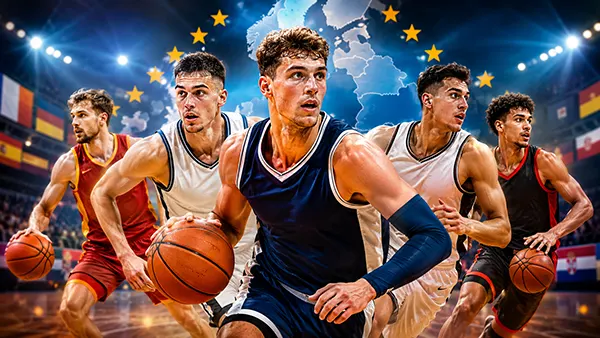
European interest has accelerated partly because of international stars dominating the league. Nikola Jokić from Serbia, Luka Dončić from Slovenia and Victor Wembanyama from France have attracted new audiences across their home regions. French broadcasters, for example, reported significant increases in NBA viewership during Wembanyama’s rookie and sophomore seasons. Similar trends have appeared in the Balkans and parts of Central Europe.
Broadcasters are also localising content more effectively. Commentary options in multiple languages, region-specific social campaigns and tailored digital subscriptions help make NBA coverage more accessible. In 2026, streaming services increasingly personalise viewing experiences using regional recommendations, customised notifications and local advertising strategies designed for different international markets.
The Future of NBA Broadcasting and Fan Engagement
The latest television agreements indicate that the future of sports broadcasting will combine traditional television with digital streaming ecosystems. Major NBA events such as the Finals will likely remain powerful television attractions, while regular-season viewing gradually shifts towards flexible streaming access. Media companies now focus heavily on hybrid consumption models that allow audiences to watch games across multiple devices.
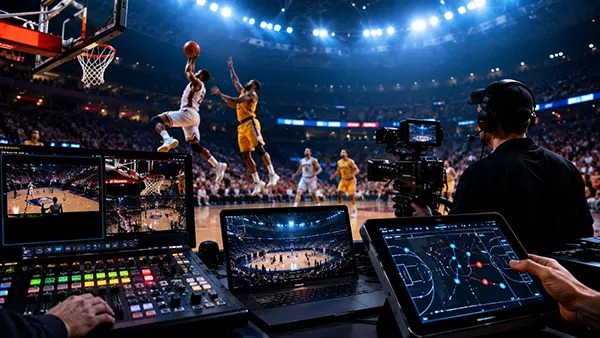
Artificial intelligence and personalised recommendation systems are also influencing basketball coverage. Streaming services increasingly analyse viewer habits to recommend specific games, player highlights and betting-related statistics. Some broadcasters are experimenting with alternative commentary feeds, interactive analytics and custom camera angles designed for mobile audiences. These features aim to increase engagement among younger viewers accustomed to personalised entertainment experiences.
The NBA’s media strategy may also influence other sports leagues negotiating future contracts. Football, baseball and hockey organisations are closely observing how the NBA balances streaming expansion with traditional broadcasting revenue. If the current agreements continue generating strong subscriber growth and advertising income through 2026 and beyond, similar hybrid rights structures could become standard across global sport.
How the New Contracts Affect the League’s Long-Term Popularity
The new broadcasting agreements are not simply financial arrangements; they are shaping how basketball is consumed worldwide. Wider streaming availability allows supporters to follow teams more conveniently regardless of geographical location. This improves international visibility and helps the NBA maintain relevance among younger digital audiences whose entertainment habits differ significantly from previous generations.
Greater media exposure also increases the commercial value of NBA franchises and individual players. Sponsorship deals, merchandise sales and international partnerships become more valuable when audiences continue expanding across streaming networks and social channels. Clubs increasingly operate as global entertainment businesses rather than purely local sports organisations.
By 2026, it is clear that media evolution is deeply connected to the NBA’s continuing global growth. The league has positioned itself at the centre of modern sports entertainment by embracing streaming, digital interaction and international expansion earlier than many competitors. The latest television contracts therefore represent far more than broadcasting agreements — they are part of a broader transformation in how global audiences experience professional basketball.