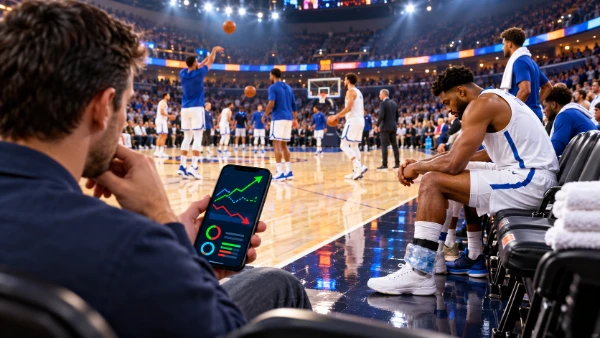
As of 3 February 2026, the league is two days from the trade deadline (5 February, 3 p.m. ET), which means the same thing every year: front offices are choosing between marginal gains and long-term flexibility, while coaches are quietly wondering how many new minutes they’ll have to stitch together before April. This week’s confirmed moves already show the two main paths teams take in February—swing for star-level creation, or tighten the rotation with reliable, role-specific pieces.
Confirmed deals so far: who moved, and why it matters
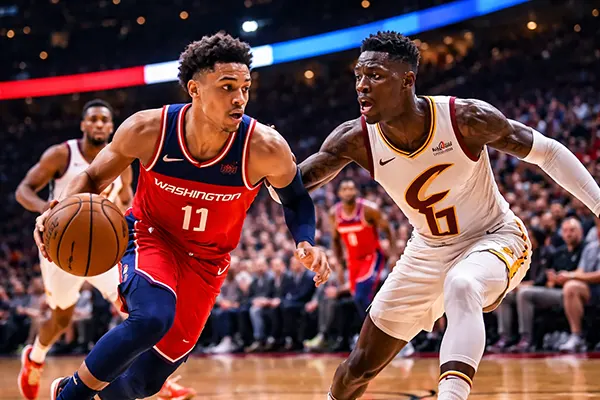
The headline move of the 2025–26 season to date is Washington acquiring Trae Young from Atlanta in exchange for CJ McCollum and Corey Kispert. For the Wizards, that is a direct bet on elite shot creation and late-clock offence—exactly the kind of skill that tends to separate play-in sides from genuine play-off teams when games slow down. For the Hawks, the return reads like a reset: immediate veteran scoring with McCollum plus a wing shooter in Kispert, which can stabilise line-ups but also points to a broader reshaping of their timeline.
In the biggest multi-team piece of deadline business so far, Cleveland added Dennis Schröder and Keon Ellis (plus two-way player Emanuel Miller) in a three-team deal that sent De’Andre Hunter to Sacramento and Dario Šarić plus two future second-round picks to Chicago. The practical story here is depth and optionality: Cleveland get another ball-handler who can run bench units, and a guard defender in Ellis; Sacramento add a wing who can slot into multiple line-ups; Chicago convert a veteran into picks while taking on Šarić as part of the mechanics.
Atlanta also sent Vít Krejčí to Portland for Duop Reath and two second-round picks. This is the kind of trade that rarely wins headlines but often shifts the margins: Portland add a perimeter piece for their rotation, while the Hawks bank draft value and keep their flexibility. The important bit for both teams is what it signals—Portland consolidating into specific roles, Atlanta collecting tools for future deals.
How these trades change rotations, spacing, and match-ups
Young to Washington should immediately change how opponents defend them. Teams that previously switched more freely can’t do that as casually against a high-volume pick-and-roll creator who pulls up from deep. The knock-on is that Washington’s bigs and weak-side shooters become more important: if they punish help, the whole offence rises; if they don’t, opponents will live with crowded lanes and force the ball out of Young’s hands.
Cleveland’s additions look less about “more talent” and more about “more functional minutes”. Schröder gives them a second organiser when the starting guard sits, which can stop the offence from turning into stalled isolations. Ellis is the type of defender coaches trust in short play-off stints—pick up full court, fight over screens, stay attached to movement shooters—so the Cavaliers gain an option for specific match-ups rather than a one-size-fits-all bench.
Sacramento getting Hunter is a classic February problem-solver: a wing who can guard up a position, hit open threes, and survive in line-ups that need more size without sacrificing speed. In a first-round series, that can be the difference between hiding a defender and actually contesting the opponent’s best scorer. It’s also the kind of move that lets a team keep its stars fresher by reducing the burden on them to defend the toughest assignments every night.
What to watch before 5 February: credible themes and realistic constraints
Two realities shape nearly every negotiation now. First, the deadline is not just about basketball fit; it is about roster rules and flexibility. Teams near the top of the league’s payroll bands can’t simply “add one more contract” without consequences, so you see more three-team structures, more second-round picks as grease, and more trades that swap one medium contract for two smaller ones.
Second, the market splits into buyers who need a play-off rotation upgrade and sellers who want future value without being stuck with long money. Buyers chase two profiles: creators who can attack set defences, and wings who won’t get played off the floor. Sellers tend to move veterans whose minutes can be replaced internally, especially if they can turn them into picks that later become currency in a bigger deal.
On the rumour side, the loudest conversations always orbit stars, but it’s worth separating “talk” from “traction”. Reporting around superstar-level discussions (including Giannis Antetokounmpo) has been prominent, and there has also been buzz around James Harden’s situation as teams explore whether a mutually beneficial move exists. Until something is official, treat the story as leverage and positioning rather than an outcome—and focus on what teams can actually assemble under the rules and timelines they’re operating within.
A simple way to read deadline rumours like a professional
Start with incentives. If a team is winning and stable, it usually isn’t trading a star in-season unless the relationship is broken or the long-term direction has changed. If a team is middling, it might chase a name for relevance—but the smartest front offices still prioritise moves that improve April basketball, not February headlines.
Next, look at the contract map. Deals that involve multiple mid-sized contracts and picks are easier to execute quickly than a true blockbuster that requires pristine salary matching and multiple layers of consent. If the rumour needs three teams, two starters, and a handful of picks, it can happen—but it is far more fragile, and one “no” can collapse it.
Finally, watch what coaches are doing before the deadline, not what executives are saying. Minutes tell you who a team trusts. If a veteran’s role quietly shrinks for two weeks, that often means the team is comfortable moving him. If a young player suddenly gets every chance to play through mistakes, that often means the organisation is deciding whether he is part of the next core—or a key chip in the next trade.
The play-off impact: how the bracket could shift because of these moves
Washington’s swing for a primary creator raises their ceiling in any single game, which is exactly what you want if you expect to live in close finishes. In the play-offs, teams hunt weaknesses relentlessly; the counter is having someone who can generate quality looks even when the first and second options are taken away. If Washington build the right line-ups around Young—shooting, a reliable roll threat, and defenders who can rotate—their series outlook improves immediately.
Atlanta’s side of the Young deal is more subtle but still meaningful for April. McCollum can keep an offence organised, and Kispert’s movement shooting forces defences to chase, which can open space for other creators. The question is whether Atlanta’s new mix is built for play-off defence—because in the East, that is often the separator between “competitive” and “out in five”. Their next step may not be one more trade; it may be choosing a clearer identity and committing to it.
Cleveland and Sacramento look like teams sharpening tools they already have. Cleveland’s guard depth should reduce the number of minutes where the offence gets stuck, and that matters in a seven-game series where opponents learn your habits. Sacramento’s added wing size gives them more answers against bigger scorers and helps them avoid overhelping, which is where playoff possessions often break down. Neither move guarantees a deeper run, but both reduce the odds that a single match-up flaw decides the series.
Three practical consequences you should expect in April
First, rotations get shorter—and the value of “no weak links” rises. That’s why wing defenders and secondary ball-handlers are always expensive at the deadline. A team doesn’t need eight new players; it needs two line-ups that survive against elite opponents without bleeding points.
Second, half-court offence becomes king. The Wizards’ trade is a direct acknowledgement of that. When transition chances dry up, the teams with a reliable pick-and-roll engine and the shooting to support it usually win the possession battle over seven games.
Third, the ripple effects continue even after the deadline. The teams that integrate quickly get an edge in seeding, and seeding dictates match-ups. A small February upgrade can become a big April advantage simply because it earns home court in a 4–5 or 3–6 series.